






Beyond the budget: financing Nigeria's infrastructure revolution
Nigeria's infrastructure needs are far larger than any government budget can meet. Closing the gap will depend on how well we attract and structure private capital, not on public spending alone.
A gap too wide for public money
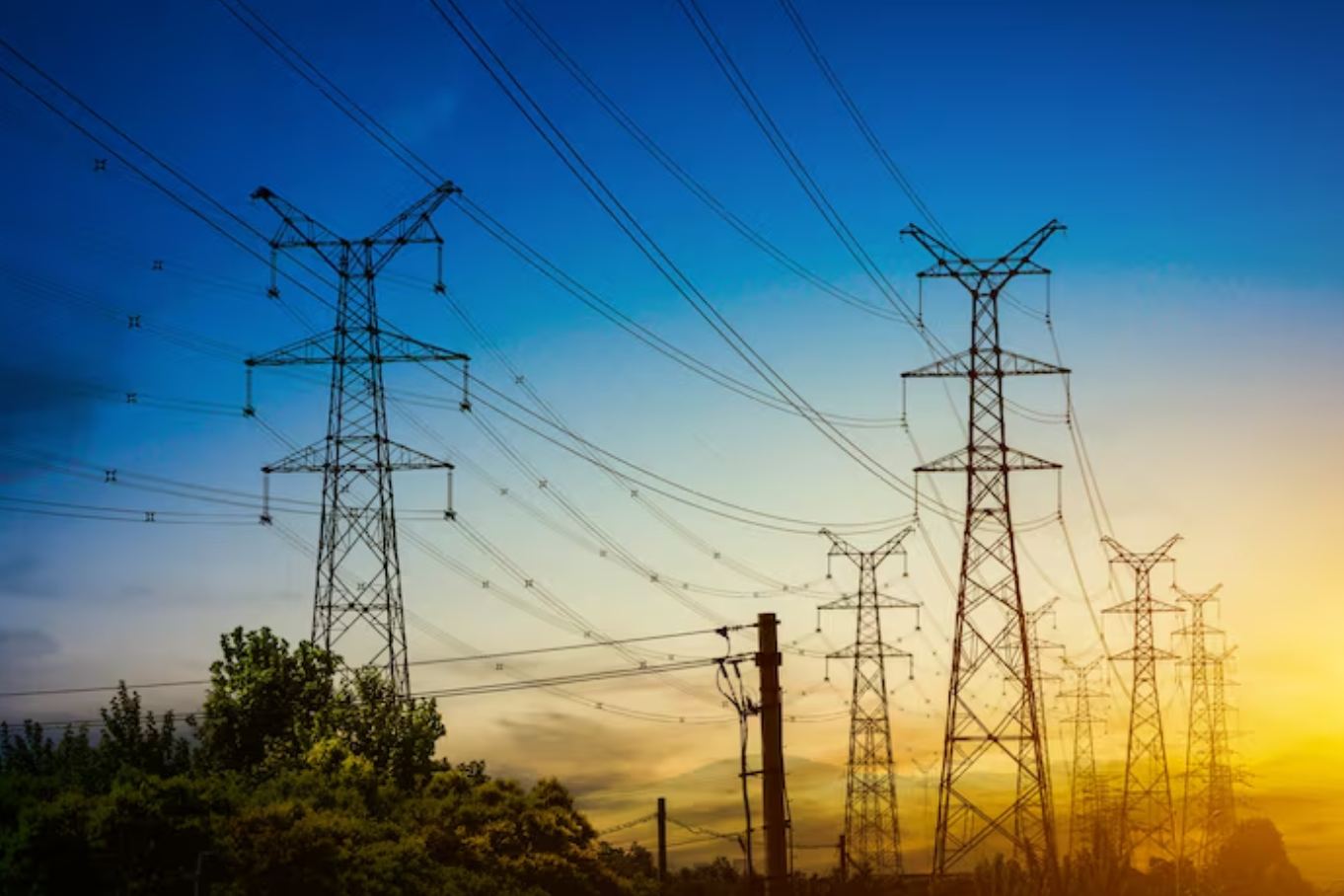
The National Integrated Infrastructure Master Plan puts Nigeria's infrastructure gap at about $2.3 trillion by 2043. That means more than $120 billion of investment every year, several times what the federal budget can set aside. The effects are visible daily: failing roads, an unreliable power grid, congested ports and rail networks that are still thin.
Infrastructure stock in Nigeria stands at roughly 35 percent of GDP, below many African peers. Each year the shortfall costs the economy productivity it cannot afford to lose.
Government as enabler: the PPP model
Public–private partnerships shift delivery to private firms while government provides policy support, land and guarantees. The Infrastructure Concession Regulatory Commission (ICRC) has overseen these arrangements since 2005. Projects such as the Lekki Deep Sea Port show what well-structured PPPs can achieve.
Progress still depends on reform. Harmonised regulation, a stronger ICRC framework and faster, independent dispute resolution would all raise investor confidence across federal and state projects.
Blended finance and the capital markets
Blended finance uses concessional funding from development banks to absorb early losses, which brings commercial lenders into projects they would otherwise avoid. Guarantors such as InfraCredit have helped Nigerian pension funds invest in infrastructure bonds. Green bonds, Sukuk and diaspora bonds widen the pool further. With pension assets around ₦20 trillion, even a modest shift toward infrastructure could unlock trillions of naira.
Where states come in
States are moving fast. Lagos is combining green bonds and concessions, while other states are using PPPs, Sukuk and development finance for roads, housing and water. To keep pace, states need officials trained in project structuring and pipelines that connect to federal programmes.
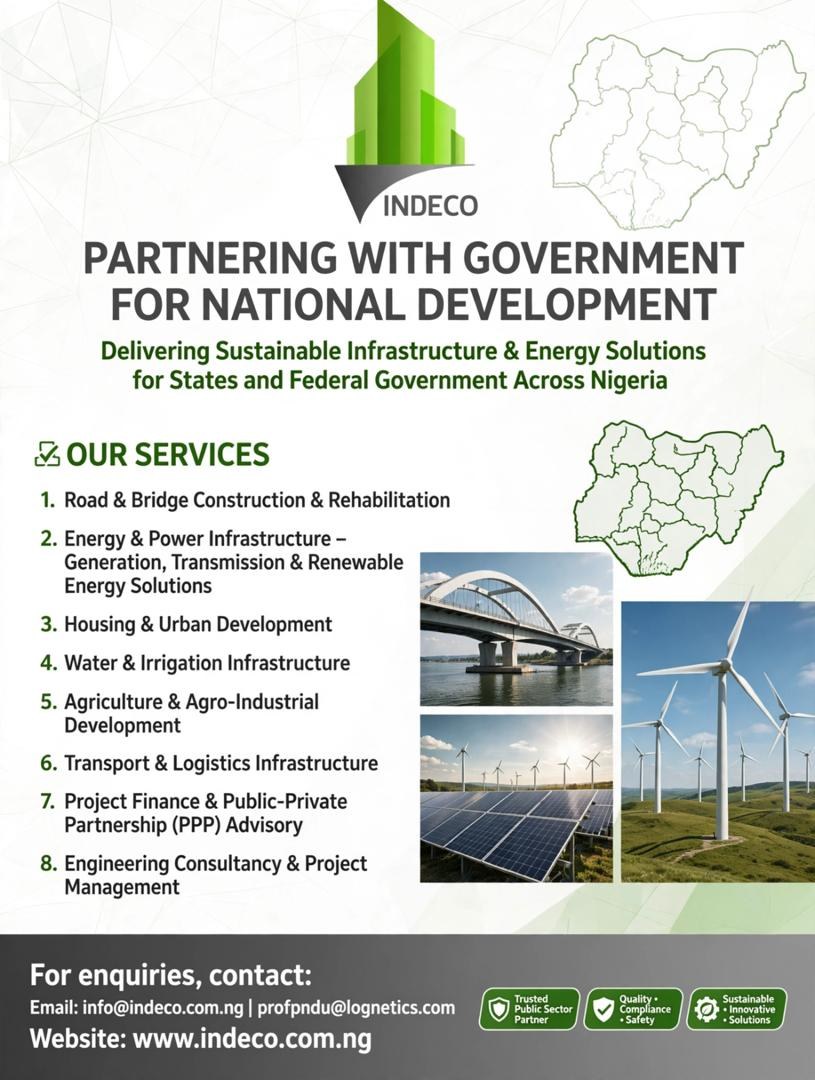
INDECO's role is to turn infrastructure gaps into practical, investment-ready projects, structured through feasibility studies, financial modelling and risk analysis.
This is the work INDECO does every day: originating projects in power, transport and industry, and preparing them to meet the expectations of local and international investors.
Adapted from Dr. Prisca Ndu's column in BusinessDay. Read the full article on BusinessDay ↗